


Contact Victor Lopez




















First-Time Multifamily Investor's Guide
51 Things to Consider Before Buying a Multi-Unit Property
A practical guide to property condition, cash flow, financing, tenants, building systems, zoning, due diligence, and the responsibilities of multifamily ownership.
Buying a Multifamily Property Is Buying a Business
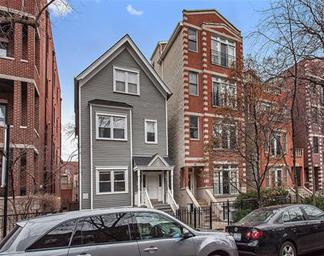
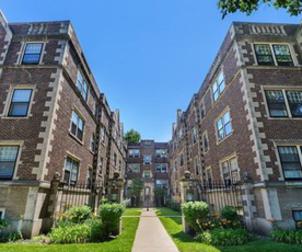
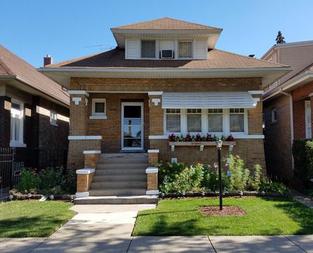
A 2-flat, 3-flat, 4-flat, 8-unit building, or larger multifamily property can provide rental income and long-term wealth-building opportunities, but ownership also brings financial, physical, legal, tenant, and management responsibilities.
Before purchasing, make sure you have sufficient cash reserves in addition to your mortgage financing to handle unexpected repairs, vacancies, maintenance, operating expenses, and other ownership costs.
The purpose of this guide is to help a first-time investor identify questions that should be investigated before making a major purchase.
The Investor's Mindset
Don't evaluate a multifamily property only by its purchase price or monthly rent. Evaluate the entire investment: condition, income, expenses, financing, legal status, tenant responsibilities, location, management requirements, and potential risks.
10 Areas of Multifamily Due Diligence
The original 51 issues are organized below into practical categories so an investor can use the guide as a working checklist.
1. Financial Readiness
Cash reserves, financing, insurance, income, expenses, rent roll, cap rate and cash flow.
2. Property Condition
Roof, basement, plumbing, floors, windows, foundation, porches, exterior and water damage.
3. Building Systems
Heating, electrical, gas, water, sewer, laundry, safety equipment and mechanical systems.
4. Code, Zoning & Legal
Violations, permits, legal unit count, zoning, occupancy, liens and property compliance.
5. Tenant Responsibilities
Leases, screening, deposits, tenant issues, maintenance calls, collections and evictions.
6. Property Management
Self-management, maintenance personnel, contractors and professional management.
7. Location & Market
Transportation, schools, shopping, employment, rental demand and neighborhood characteristics.
8. Income & Cash Flow
Rent, vacancy, operating expenses, debt service and the property's ability to produce cash flow.
9. Due Diligence
Inspections, title, liens, permits, zoning, environmental concerns and property records.
10. Long-Term Ownership
Maintenance, capital expenditures, vacancies, management, refinancing, resale and wealth-building goals.
Financial Readiness & Property Condition
Cash Reserves
Have funds available beyond the down payment and mortgage financing to handle unexpected repairs, vacancies and other ownership expenses.
Roof Leaks & Roof Condition
Inspect the roof, ceilings, shingles, flashing and evidence of previous leaks. Major roof repairs or replacement can be a significant ownership expense.
Basement Flooding & Water Intrusion
Investigate broken pipes, rainwater, sewer backups, sump pumps, backup power, drainage and whether a proper sump pit exists.
Plumbing Fixtures & Toilets
Check faucets, sinks, bathtubs and toilets for leaks, drainage problems, running water and deferred maintenance.
Windows, Doors, Walls & Floors
Evaluate windows, screens, doors, walls, paint, flooring and the cost of repairs, refinishing or replacement before new tenants occupy a unit.
Tuckpointing & Masonry
Brick buildings may require masonry repair and tuckpointing. Determine the scope of work and obtain qualified contractor estimates.
Cleaning & Turnover
Budget for cleaning kitchens, bathrooms, appliances and other areas when preparing units for new occupancy.
Frozen & Burst Pipes
Evaluate winterization, insulation, exposed plumbing, previous freeze damage and procedures for preventing water damage during cold weather.
Pests, Moisture, Structure & Safety
Pests & Infestations
Look for roaches, mice, rats, termites, bed bugs and other infestations. Inspect the building perimeter, foundation openings, doors, crawlspaces and adjacent areas.
Smoke & Odor Damage
Investigate smoke, pet, fire or other persistent odors in walls, floors and finishes. Determine the source and scope of remediation before purchasing.
Foundation & Structural Concerns
Look for cracks, settlement, water intrusion and other signs that may require evaluation by an appropriately qualified professional.
Porches, Stairs & Concrete
Inspect wood porches, decks, concrete stairs, sidewalks and other exterior structures for deterioration, safety issues and repair requirements.
Code-Compliant Electrical & Safety Features
Investigate electrical outlets, GFCI protection where applicable, panels, wiring and other safety-related conditions. Have qualified professionals evaluate questionable systems.
Building Violations
Check with the applicable city or village for building violations, permits, occupancy requirements and unresolved issues before purchasing.
Lead-Based Paint
Older buildings may contain lead-based paint. Determine whether applicable federal, state and local requirements apply and obtain professional guidance when appropriate.
Mold & Mildew
Look for moisture and mold in basements, bathrooms, kitchens, around windows and in other areas with water or humidity problems. Investigate the underlying moisture source.
Tenants, Mechanical Systems & Utilities
Tenant Complaints & Damage
Review the history of tenant complaints, property damage, maintenance requests and landlord-tenant responsibilities.
Heating & Mechanical Systems
Identify furnaces, boilers, radiators, central air, window or wall units and other heating/cooling systems. Review age, condition, service history and maintenance.
Radon
Radon can occur naturally in buildings and may be a concern, particularly with certain foundations and crawlspaces. Consider appropriate testing before purchase.
Electrical Capacity & Wiring
Evaluate service capacity, panels, wiring, outlets and improper electrical installations. Consider the demands of tenant appliances and equipment.
Separate Gas & Electrical Meters
Determine how utilities are metered and allocated among units. Verify whether meters are properly separated and understand any cost implications.
Water & Sewer
Know the location of interior water shutoffs and the applicable municipal shutoff. Review water and sewer bills and drainage history.
Garage & Parking
Inspect garages, doors, openers, parking surfaces, access, drainage and ongoing maintenance requirements.
Curb Appeal & Trees
Evaluate lawn care, landscaping, trees, exterior appearance and potential hazards such as branches contacting the building or roof.
Unit Turnover Costs
Estimate the repairs, cleaning, painting, flooring, fixtures and other costs required before a vacant unit can be marketed to a new tenant.
Legal Compliance, Property Operations & Ownership
Maintenance Contractors
Determine who will handle 24-hour property emergencies, routine maintenance and tenant service calls.
Yard Drainage & Flooding
Look for water pooling, basement seepage and runoff from neighboring properties. Investigate recurring drainage issues before purchase.
Porch Replacement
A deteriorated multi-story porch can become a major capital expense. Obtain professional evaluations, contractor estimates and required permit information.
Laundry Facilities
Determine whether the property has common laundry or in-unit laundry. Review equipment condition, maintenance, utility costs and potential laundry income.
Insurance
Obtain current insurance information and quotes. Coverage and premiums can vary substantially based on property type, location, age, claims history and other factors.
Income, Expense & Rent-Roll Records
Organize monthly income and expense information. A clear operating history is valuable for ownership, accounting, financing and eventual resale.
Property Selection Strategy
Consider the relationship between purchase price, condition, location, rental demand, improvement potential and expected return rather than focusing only on appearance.
Heating & Cooling Responsibilities
Determine which utilities are included in rent, who pays for heating and cooling, and what maintenance responsibilities belong to the owner or tenant.
Ongoing Property Maintenance
Budget for snow removal, lawn care, common-area lighting, security equipment, smoke detectors, carbon monoxide detectors and routine property upkeep.
Tenant Operations & Rental Management
Mailboxes & Doorbells
Verify that each unit has appropriate mailbox and doorbell arrangements and understand replacement and maintenance needs.
Maintenance Supplies
Multifamily ownership often involves ongoing purchases of repair and maintenance supplies. Budget time and money for routine property needs.
Keys & Access
Track keys for units, building entrances, garages, laundry, storage areas and mailboxes. Establish a secure key-control procedure.
Property Marketing
When a unit becomes vacant, plan for signage, online marketing, showing coordination, leasing costs and professional marketing assistance when needed.
Leases & Move-In / Move-Out Procedures
Understand lease agreements, move-in and move-out inspections, security deposits, applicable fees, screening procedures and required documentation.
Tenant Screening
Establish lawful and consistent screening procedures that may include applications, credit information, employment verification and rental history as permitted by applicable law.
Eviction & Legal Costs
Understand that nonpayment, lease violations and other disputes can create legal expense and lost rental income. Consult a qualified attorney for landlord-tenant legal matters.
Vacancy & Lost Rent
Build realistic vacancy assumptions into the investment analysis. A property can appear profitable on gross rent while producing disappointing results after vacancy and expenses.
Tenant Service Expectations
Decide how maintenance requests, emergencies, communication, rent collection and tenant concerns will be handled before they become problems.
Location, Financing & Due Diligence
Neighborhood & Location
Evaluate transportation, employment, schools, shopping, restaurants, major roads, rental demand, neighborhood characteristics and future development.
Financing
Compare available financing options, interest rates, loan terms, down-payment requirements, reserves and debt-service obligations with a qualified lender.
Liens & Title
Conduct appropriate title and lien due diligence. Potential tax liens, mechanics liens, judgments or other title issues should be identified and addressed before closing.
Property History & Stigmatized Conditions
Investigate known property history, environmental concerns, flood exposure, prior uses, major incidents and other conditions that could affect the property or its marketability.
Zoning, Management & Long-Term Ownership
Zoning & Legal Unit Count
Verify zoning, permitted use, legal unit count, occupancy, permits and applicable building requirements. Never assume that an existing physical apartment is automatically a legal dwelling unit.
Maintenance Personnel
Larger properties may justify dedicated maintenance personnel. Define duties, compensation, emergency responsibilities, tenant interaction, grounds work and repair capabilities.
Professional Property Management
Consider whether to self-manage or hire a property management company. Compare management fees, leasing services, rent collection, maintenance coordination, reporting and tenant support.
Long-Term Investment Strategy
Define why you are buying the property: current cash flow, long-term appreciation, retirement income, equity growth, portfolio expansion or another investment objective.
Don't Confuse Rent With Profit
Gross rental income is only the starting point. A meaningful investment analysis should account for vacancy, operating expenses, capital expenditures and debt service.
Self-Manage or Hire a Property Manager?
The right choice depends on the property's size, complexity, location, owner's availability, experience and desired level of involvement.
| Self-Management | Professional Management |
|---|---|
| More direct control | Less day-to-day involvement |
| More owner time required | Management fee required |
| Handle tenant communications | Manager may handle tenant communications |
| Coordinate repairs yourself | Manager may coordinate maintenance |
| Handle leasing and showings | Manager may assist with leasing and vacancies |
| Build your own operating systems | May provide established systems and reporting |
Multifamily Purchase Due-Diligence Checklist
Use this checklist as a starting point for discussions with your real estate professional, lender, attorney, inspector, insurance professional, contractors and other qualified advisors.
Don't Make a Multifamily Purchase Alone
A first-time investor may benefit from assembling a team of qualified professionals before completing a purchase.
Real Estate Broker
Help evaluate properties, market conditions, comparable sales, rental opportunities and the purchase process.
Lender
Review financing options, loan terms, debt service, reserves and qualification requirements.
Real Estate Attorney
Review contracts, title matters, leases, zoning or other legal issues when appropriate.
Home / Building Inspector
Evaluate physical condition and identify issues that may require further professional investigation.
Insurance Professional
Review appropriate coverage, exclusions, deductibles and estimated premiums.
Accountant / Tax Professional
Discuss tax reporting, recordkeeping, depreciation and the tax implications of your investment strategy.
Qualified Contractors
Obtain written estimates for major repairs, remodeling, deferred maintenance and capital improvements.
Property Manager
Consider professional management when the size, location or complexity of the property makes self-management impractical.
Buy the Right Property — Not Just Any Property
Multifamily real estate can be rewarding, but successful ownership requires more than collecting rent. The goal is to purchase a property at a price and under terms that make sense for your financial goals, while understanding the property's condition, income, expenses, legal status, tenant responsibilities and long-term management needs.
Do your due diligence. Understand the numbers. Understand the building. Understand the risks before you make the commitment.
Questions About Multifamily Real Estate?
Contact Victor M. Lopez to discuss multifamily properties, investment opportunities, market information and the real estate purchase process.
Victor M. Lopez
Broker Associate | Coldwell Banker Realty
C: 630-660-1292
O: 630-954-4600
E:
[email protected]
Coldwell Banker Realty
1 Parkway Plaza, Suite 100
Oakbrook Terrace, IL 60181
Commercial & Multifamily Property Resources
A practical resource guide for investors looking for property opportunities, evaluating tenants, managing parking and building operations, analyzing deals, and exploring financing options.
Where Do You Find Property Deals?
There is no single source for investment property. Successful investors often use multiple channels and then perform independent due diligence before making an offer.
Build the Deal Yourself
Direct outreach, networking, referrals, property owners, investors, attorneys, lenders and other professionals can uncover opportunities before or outside the traditional listing process.
Work With a Real Estate Broker
A broker can help identify listed opportunities, analyze comparable sales, coordinate showings and assist with the purchase process.
Direct Marketing
Investor marketing may include signs, direct mail, networking, referrals and other lawful advertising methods. Follow applicable municipal sign rules and advertising requirements.
Probate & Estate Opportunities
Estate and probate situations can sometimes create property-sale opportunities. Work through the appropriate attorney, court and title process rather than assuming an heir has authority to sell.
Auctions & Online Marketplaces
Auction platforms and online marketplaces may offer distressed, foreclosed, tax-related or other properties. Review auction terms, deposits, title, occupancy, inspection access and closing requirements before bidding.
- Hubzu
- Bid4Assets
- eBay and other online marketplaces
Bank & REO Sources
Banks and servicing companies may market real-estate-owned (REO) properties through their own websites, brokers and third-party listing platforms. Availability changes frequently.
Commercial & Multifamily Tenant Screening
Establish a consistent, documented screening process and apply the same lawful criteria to similarly situated applicants.
Self-Management
An owner may choose to handle applications, screening, references, documentation and follow-up personally, provided the process complies with applicable law.
Real Estate Professional
A licensed real estate professional may provide services within the scope of the person's license and brokerage relationship. Do not assume that a real estate license automatically makes someone a property manager for every type of service.
Property Management Company
A professional management company can handle leasing, tenant communications, rent collection, maintenance coordination and other services depending on its agreement with the owner.
CPM Credential
The CPM designation is a professional credential offered by IREM. It should be viewed as a qualification to evaluate, not as a substitute for checking the manager's licensing, experience, insurance, references and actual services.
Build a Real Estate Business Plan
Before purchasing, analyze the property as a business: acquisition price, financing, rent, vacancy, operating expenses, capital needs, taxes, insurance and expected cash flow.
Property Business Plan
Build a written plan covering the investment objective, acquisition strategy, financing, renovations, leasing, operating expenses, management and exit strategy.
ROI & Cash-on-Cash Analysis
Compare projected cash flow and invested capital. Do not rely on one calculator or one return metric; test assumptions under multiple scenarios.
Stress-Test the Deal
Test higher vacancy, repairs, taxes, insurance, financing costs and lower rents. A strong investment should be evaluated under realistic downside conditions.
Keep Records
Maintain rent rolls, operating statements, invoices, leases, utility bills, tax records, insurance information and repair histories.
Building Security & Cameras
Cameras can help document incidents and improve a property's security strategy, but installation should be designed around privacy, access, signage, data retention and applicable law.
Exterior Cameras
Consider cameras covering entrances, parking areas, garages, exterior common areas and other appropriate locations.
Interior Common Areas
Cameras may be appropriate in building entryways and other common areas, but avoid private spaces and review applicable privacy rules before installation.
Professional Installation
Use a qualified local security installer who can evaluate camera placement, network requirements, recording storage and remote access.
Chicago Sign & Decal Resource
Signs By Tomorrow Chicago North currently lists parking permits, custom decals and related signage services.
Signs By Tomorrow Chicago North Verified
3015 W. Irving Park Road, Chicago, IL 60618
Phone: 773-404-7446
Create a Clear Parking Policy
Parking disputes are easier to prevent when assignments, permits, towing procedures, guest rules and moving-truck procedures are clearly documented.
Assign Parking Spaces
Assign a specific space to each tenant when parking is included or separately rented. Put the assignment in writing.
Number the Spaces
Use durable numbers or signs so tenants and guests can identify assigned spaces easily.
Parking Permits
Consider permits or decals that identify authorized vehicles. Signs By Tomorrow Chicago North currently advertises custom parking permits and decals. citeturn3search0
Towing & Enforcement
Do not simply post a generic towing sign and assume it is sufficient. Confirm applicable Illinois and municipal requirements and use a properly authorized towing arrangement.
Moving Procedures
Establish rules for moving trucks, loading areas, elevators, parking access, move-in dates and move-out procedures.
Parking as Rent
Parking may be included in rent or separately charged when permitted by the lease and applicable law. Clearly document the arrangement.
Oil Stains
Address oil stains promptly using an appropriate absorbent and cleaning method. For significant contamination, consider professional cleaning.
Asphalt & Concrete Repairs
Inspect potholes and damaged pavement regularly. For larger repairs, obtain estimates from qualified contractors rather than relying on a DIY repair guide.
Private, Commercial & Investor Lending
The lenders below are presented as resources, not endorsements. Verify current programs, rates, fees, licensing, property eligibility and borrower requirements directly with each lender before applying.
Rainstar Capital Group Verified
National debt advisory firm with commercial real estate and alternative financing resources.
Kurt A. Nederveld, CEO
Direct: 616-821-6535
Email: [email protected]
Wilshire Finance Partners Verified
Commercial bridge lending and investment solutions.
Phone: 866-575-5070
Email: [email protected]
2 Venture, Suite 430, Irvine, CA 92618
ZEL Capital Partners Verified
Commercial financing, debt/equity and sale-leaseback advisory services.
Phone: 480-355-4399
Email: [email protected]
9903 East Bell Road, Suite 130, Scottsdale, AZ 85260
First Rehab Lending Verified
Residential, non-owner-occupied investment-property lending.
Phone: 888-276-6565
Email: [email protected]
71 Gazza Blvd, Farmingdale, NY 11735
Wheaton Bank & Trust Verified
Wintrust community bank with commercial banking services.
Customer Service: 630-690-1800
100 N Wheaton Avenue, Wheaton, IL 60187
Wintrust Commercial Banking — John Dvorak Verified
President, Wintrust Bank — LaSalle St.
Phone: 312-373-1489
Email: [email protected]
231 S. LaSalle St., Ste. 0100S, Chicago, IL 60604
Level 4 Funding Verified
Business-purpose / investor financing resources.
Dennis Dahlberg
Arizona: 623-582-4444 | Texas: 512-516-1177
Email: [email protected]
Archwest Capital Verified
Investor financing including ground-up, fix-and-flip, DSCR rental and bridge programs.
Phone: 844-922-2724
18400 Von Karman Avenue, Suite 500, Irvine, CA 92612
ICG10 Capital Verified
Private investor financing including bridge, rental, fix-and-flip and construction programs.
Phone: 954-798-0726
Email: [email protected]
Headquarters: North Miami, FL
Visio Lending Verified
Investor-focused DSCR and rental-property lending.
Phone: 888-521-0353
Email: [email protected]
1905 Kramer Lane, Ste. B700, Austin, TX 78758
ASCEND Lending — Stephen Page Verified
Mortgage lending resource; confirm the property type and program before applying.
NMLS: 979780
Phone: 864-588-3544
Email: [email protected]
Bluffton, SC
Lakeside Bank — Todd Probasco Verified
Mortgage lending, including investment-property financing.
VP, Mortgage Sales Manager | NMLS 232536
Cell: 708-205-2983
Office: 630-366-7063
Email: [email protected]
A Cleaner, More Reliable Resource List
I removed old contact details that I could not confidently verify from current company sources instead of publishing potentially outdated information.
Find the Opportunity. Analyze the Deal. Protect the Investment.
The best investment property is not necessarily the cheapest property or the one with the highest projected rent. Successful investors evaluate the property, numbers, financing, tenants, legal requirements, management needs and risks together.
Do your due diligence before you commit your capital.
